
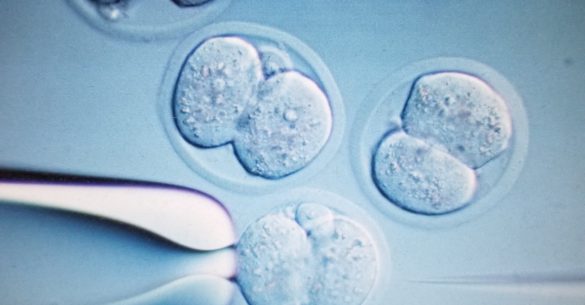

Our Mission

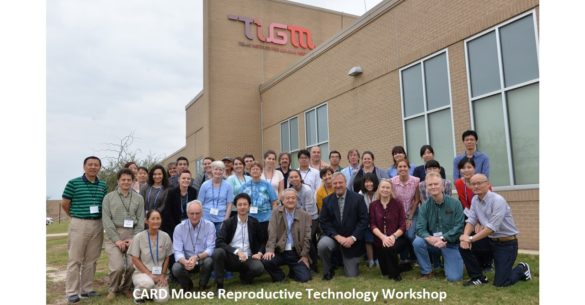
Texas A&M Institute for Genomic Medicine (TIGM) facilitates breakthroughs in science and medicine and accelerates the pace of medical discoveries through internal research by providing our resources, training and services to the scientific community at Texas A&M, The State of Texas, and the world.
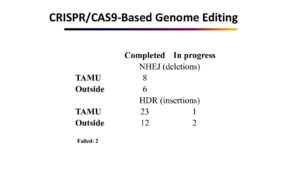
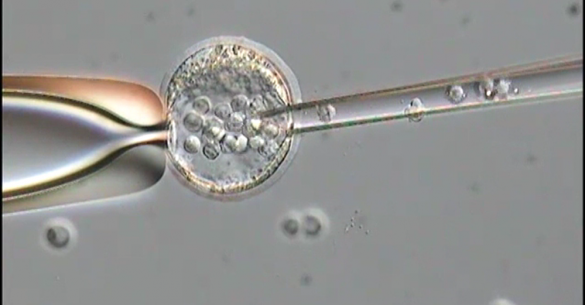
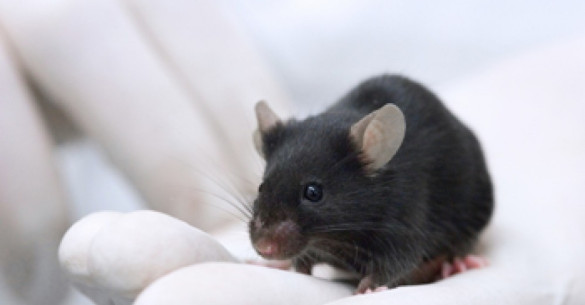
The Texas A&M Institute for Genomic Medicine (TIGM) is an essential resource for any researcher looking to obtain knockout mice and embryonic stem (ES) cells quickly and with favorable intellectual property (IP) terms. Our resources include the world’s largest gene trap library of ES cells in the C57BL/6N mouse strain and a constantly expanding repository of cryopreserved germplasm of knockout lines. TIGM provides both ES cell clones and mice as well as other transgenic core services including CRISPR/Cas9-based genome modifications within the Texas A&M system and to the public and private international research community.
Since beginning its operation in 2006, TIGM has served as a major resource to the international scientific community. In that time, TIGM has delivered more than 750 mouse and ES cells orders to more than 340 academic and commercial institutions in over 27 countries. In addition, a total of over 9,000 individual investigators from more than 900 academic and research institutions and commercial entities representing 40 countries, have queried TIGM with information requests. These resources are being used with great success and to date there are more than 275 peer-reviewed publications featuring TIGM mice or cells.
For the complete list of publications please visit https://tigm.org/publications/
TIGM: A Worldwide Resource for lncRNAs KO ES cells
Texas A&M Institute for Genomic Medicine (TIGM) houses the world’s largest library of knockout C57BL/6N ES cells and provides transgenic mice for researchers worldwide. Long non-coding RNAs (lncRNA) are non-protein coding transcripts longer than 200 nucleotides. A handful of studies have implicated lncRNAs in a variety of disease states and demonstrated their involvement in oncogenesis. The 500,000 sequence tags, which were produced in the course of generating the 350,000 gene trapped clones, were compared to the latest build (38) of the mouse genome using BLAST. Our screening of more than 18,000 clones has identified over 1,000 inactivated ncRNAs including a number of lncRNAs. For more information please see our poster. We are still working to update our database with these clones and ncRNAs; in the meantime, if you can’t find clones for your gene, please contact us at info@tigm.org and we will check it for you.

The World’s Largest Collection of ES Cells and Mice
The TIGM mouse knockout database currently includes links identifying embryonic stem cell clones from the C57BL/6 gene trap library. This resource covers more than 10,000 mouse genes and can be searched by gene or protein sequence, accession number, chromosome, gene ID or keyword. TIGM also offers more than 270 established cryopreserved lines in our mouse repository.
C57BL/6 Mice and ES Cell Clones
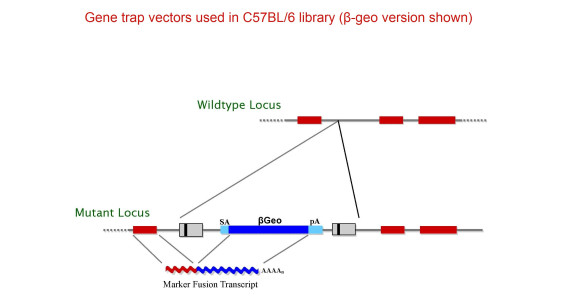
TIGM operates a gene trap library – a premier knockout mouse ES cell resource – that contains over 350,000 cell lines in the C57BL/6 mouse background. This library contains mutated ES cell clones representing more than 10,000 genes.
 Knockout Resources
Download our brochure The Texas A&M Institute for Genomic Medicine (TIGM) is a part of the Texas A&M University System as a research institute of Texas A&M AgriLife Research. TIGM utilizes advanced technologies to discover breakthroughs in science and medicine and accelerate the pace of medical discoveries. TIGM accomplishes this through internal research and collaborations with other institutions. TIGM also maintains the world’s largest library of mouse knockout embryonic stem cells and provides both ES cells and mice to academic and commercial institutions around the world.
Facilities
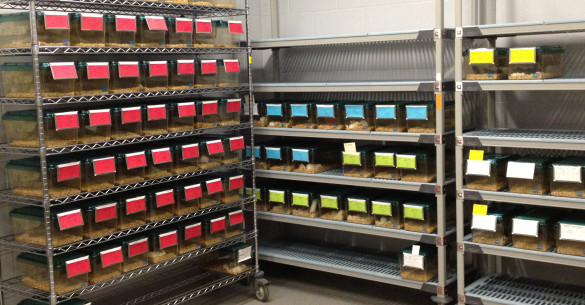
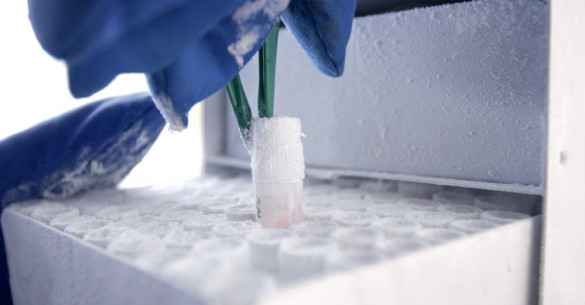
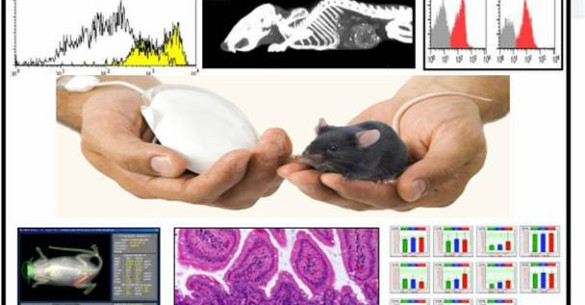
 TIGM houses unique, world-class scientific facilities on the Texas A&M main campus in College Station. The central feature of TIGM’s 34,000 square foot facility is a Specific Pathogen Free (SPF) maximum barrier (shower-in) mouse vivarium. This breeding vivarium can house more than 40,000 mice in 8,000 micro isolator cages. An adjoining research vivarium can house an additional 30,000 mice. In addition, TIGM houses onsite molecular biology core facilities, tissue culture facilities, laboratories for microinjection of stem cells, and cryopreservation areas for stem cells, embryos and sperm.
Publication describing our library and technology can be found here:
Genome Res. 2008 Oct;18(10):1670-9.